
“A well-instructed people alone can be a permanently free people.”
James Madison understood that self-government required an educated citizenry. So did Jefferson, Rush, and Mann. They named that obligation clearly. Public education did not yet exist.
This project stands within the tradition they started.
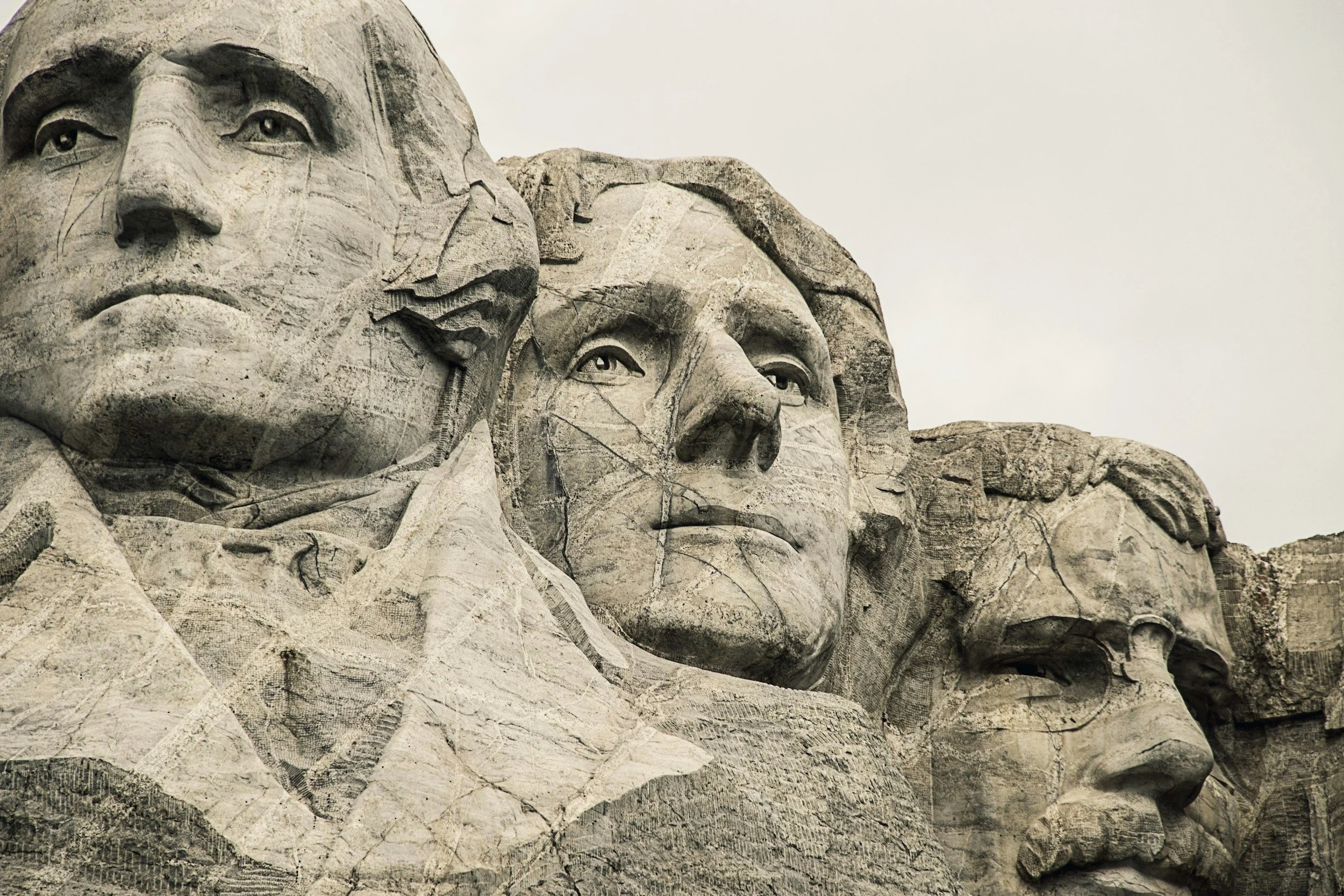
What the Founders Started
It is said that James Madison studied close to a thousand books to design a system of government capable of sustaining itself. He thought carefully about every institution the republic would need: separation of powers, checks and balances, a free press, an independent judiciary. He assumed that an informed and capable citizenry would underpin all of it.
And yet education does not appear in the Constitution. Not because the founders thought it unimportant. Because public education as an institution did not yet exist. There was nothing to put anywhere. The Tenth Amendment reserved to the states everything not explicitly given to the federal government. Education fell there by default, not by design.
Jefferson proposed a tax-supported system of universal education for Virginia in 1779. It did not pass. He founded the University of Virginia explicitly as a republican institution. Madison wrote plainly that a well-instructed people alone can be permanently a free people. Both understood the obligation. Neither had the mechanism to fulfill it.
What we inherited is the result of a mechanism that came later, piecemeal, state by state, district by district, assembled over time in response to social and economic pressures rather than designed from a clear national purpose. It is not a failure of intent. It is a gap in design. And gaps in design can be filled.
This project is not a proposal for federal control of local schools. It is a proposal to finally build what the founders assumed would exist: a shared national commitment to forming citizens capable of sustaining the republic they created.
This project continues a long American conversation. Below is a partial map of the thinkers, institutions, and reports whose work shapes this project, and whose arguments anyone building a national education vision should know.
THE PHILOSOPHICAL FOUNDATION
John Dewey Democracy and Education (1916) The single most important American book on education's relationship to democratic life. Dewey's central claim: democracy is a mode of associated living, and education is the means by which a democratic society reproduces itself.
FOUNDERS WHO CALLED FOR EDUCATION FOR A REPUBLIC
Proposed a tax-supported state system of universal education for Virginia in 1779. Founded the University of Virginia explicitly as a republican institution.
Thomas Jefferson
His 1786 Plan for the Establishment of Public Schools in Pennsylvania argued that education had to produce citizens fit for the new republic.
Benjamin Rush
Led the common school movement in Massachusetts in the 1830s and 1840s, arguing that public, tax-supported, nonsectarian schools were the foundation of the republic. Mann is why we have public education at all.
Horace Mann
His long debate with Booker T. Washington over vocational versus liberal education raised the question of what education is for, and for whom. That debate has never ended.
W. E. B. Du Bois
THE DEMOCRATIC-CITIZENSHIP FRAME TODAY
Danielle Allen
Education and Equality (2016) Argues the core purpose of education in a democracy is participatory readiness. Allen explicitly rejects "college and career ready" as too thin a frame for what a democracy requires of its citizens.
Educating for American Democracy
(2021) A bipartisan roadmap for K-12 civics and history, funded by the National Endowment for the Humanities and the U.S. Department of Education. The closest existing framework on the civic-citizenship side.
COMPARATIVE SYSTEMS ANALYSIS
Linda Darling-Hammond
The Flat World and Education (2010) The most thorough single statement of the "America lacks a coherent system" argument, grounded in decades of international comparative research.
National Center on Education & the Economy
Marc Tucker's organization has spent nearly four decades studying high-performing education systems and distilling their common features into a Blueprint for a High-Performing Education System.
Pasi Sahlberg
Finnish Lessons Finnish educator whose account of Finland's transformation has shaped the American conversation about what a coherent national system looks like.
Andreas Schleicher
World Class (2018) Head of the OECD's PISA assessment. Draws lessons from the largest body of international comparative data in existence.
Amanda Ripley
The Smartest Kids in the World (2013) Accessible journalistic account of education in Finland, South Korea, and Poland, seen through the eyes of American exchange students.
REPORTS THAT DEFINED THE CONVERSATION
A Nation at Risk (1983)
The Reagan-era commission report that launched four decades of reform. Its failure to fundamentally change the system is itself instructive.
Tough Choices or Tough Times (2007)
Called for comprehensive redesign: new standards, gateway exams, restructured high school, dramatically higher teacher pay. Shaped much of the policy that followed.
DEFINING SCHOOLS DIFFERENTLY
Ted Sizer
Horace's Compromise (1984) Founded the Coalition of Essential Schools. His principle of "less is more" and his practice of backwards-designing schools from student outcomes is the closest American analogue to what this project proposes.
Deborah Meier
The Power of Their Ideas (1995) Founded Central Park East Secondary School. Small schools, democratic classrooms, and habits of mind as the core of secondary education.
E. D. Hirsch
Cultural Literacy (1987) Argued content matters, shared knowledge matters, and skills without content is incoherent. A necessary counterweight to purely competency-based approaches.
CONTEMPORARY VOICES
Tony Wagner
The Global Achievement Gap (2008) Argues American schools do not teach the capacities the world actually requires.
Jonathan Haidt
The Anxious Generation (2024) What is happening to young people in the smartphone era, and what it implies for their capacity to become citizens.
Robert Putnam
Our Kids (2015) How opportunity and formation have come apart by class in America, and what that means for the civic fabric.
Jonathan Kozol
Savage Inequalities (1991) The moral scandal of a school funding system tied to property wealth. Still the defining book on American education inequity.
Diane Ravitch
The Death and Life of the Great American School System (2010) A historian who changed her mind about the reform movement after watching it unfold from the inside.
This project continues a long American conversation. It borrows structurally from the comparative-systems work of Darling-Hammond, Sahlberg, and NCEE, philosophically from Dewey, and civically from Allen and the Educating for American Democracy roadmap.
This project continues a long American conversation.
It borrows structurally from the comparative-systems work of Darling-Hammond, Sahlberg, and NCEE, philosophically from Dewey, and civically from Allen and the Educating for American Democracy roadmap.
The tradition is long.
The architecture is ready.
THE DEMOCRATIC-CITIZENSHIP FRAME TODAY
Danielle AllenEducation and Equality (2016) Argues the core purpose of education in a democracy is participatory readiness. Allen explicitly rejects "college and career ready" as too thin a frame for what a democracy requires of its citizens.
Educating for American Democracy (2021) A bipartisan roadmap for K-12 civics and history, funded by the National Endowment for the Humanities and the U.S. Department of Education. The closest existing framework on the civic-citizenship side.
COMPARATIVE SYSTEMS ANALYSIS
Linda Darling-HammondThe Flat World and Education (2010) The most thorough single statement of the "America lacks a coherent system" argument, grounded in decades of international comparative research.
National Center on Education and the Economy Marc Tucker's organization has spent nearly four decades studying high-performing education systems and distilling their common features into a Blueprint for a High-Performing Education System.
Pasi SahlbergFinnish Lessons Finnish educator whose account of Finland's transformation has shaped the American conversation about what a coherent national system looks like.
Andreas SchleicherWorld Class (2018) Head of the OECD's PISA assessment. Draws lessons from the largest body of international comparative data in existence.
Amanda RipleyThe Smartest Kids in the World (2013) Accessible journalistic account of education in Finland, South Korea, and Poland, seen through the eyes of American exchange students.
REPORTS THAT DEFINED THE CONVERSATION
A Nation at Risk (1983) The Reagan-era commission report that launched four decades of reform. Its failure to fundamentally change the system is itself instructive.
Tough Choices or Tough Times (2007) Called for comprehensive redesign: new standards, gateway exams, restructured high school, dramatically higher teacher pay. Shaped much of the policy that followed.
DEFINING SCHOOLS DIFFERENTLY
Ted SizerHorace's Compromise (1984) Founded the Coalition of Essential Schools. His principle of "less is more" and his practice of backwards-designing schools from student outcomes is the closest American analogue to what this project proposes.
Deborah MeierThe Power of Their Ideas (1995) Founded Central Park East Secondary School. Small schools, democratic classrooms, and habits of mind as the core of secondary education.
E. D. HirschCultural Literacy (1987) Argued content matters, shared knowledge matters, and skills without content is incoherent. A necessary counterweight to purely competency-based approaches.
CONTEMPORARY VOICES
Tony WagnerThe Global Achievement Gap (2008) Argues American schools do not teach the capacities the world actually requires.
Robert PutnamOur Kids (2015) How opportunity and formation have come apart by class in America, and what that means for the civic fabric.
Jonathan HaidtThe Anxious Generation (2024) What is happening to young people in the smartphone era, and what it implies for their capacity to become citizens.
Jonathan KozolSavage Inequalities (1991) The moral scandal of a school funding system tied to property wealth. Still the defining book on American education inequity.
Diane RavitchThe Death and Life of the Great American School System (2010) A historian who changed her mind about the reform movement after watching it unfold from the inside.
This project continues a long American conversation. It borrows structurally from the comparative-systems work of Darling-Hammond, Sahlberg, and NCEE, philosophically from Dewey, and civically from Allen and the Educating for American Democracy roadmap.
This project continues a long American conversation. It borrows structurally from the comparative-systems work of Darling-Hammond, Sahlberg, and NCEE, philosophically from Dewey, and civically from Allen and the Educating for American Democracy roadmap.
The tradition is long. The architecture is ready.